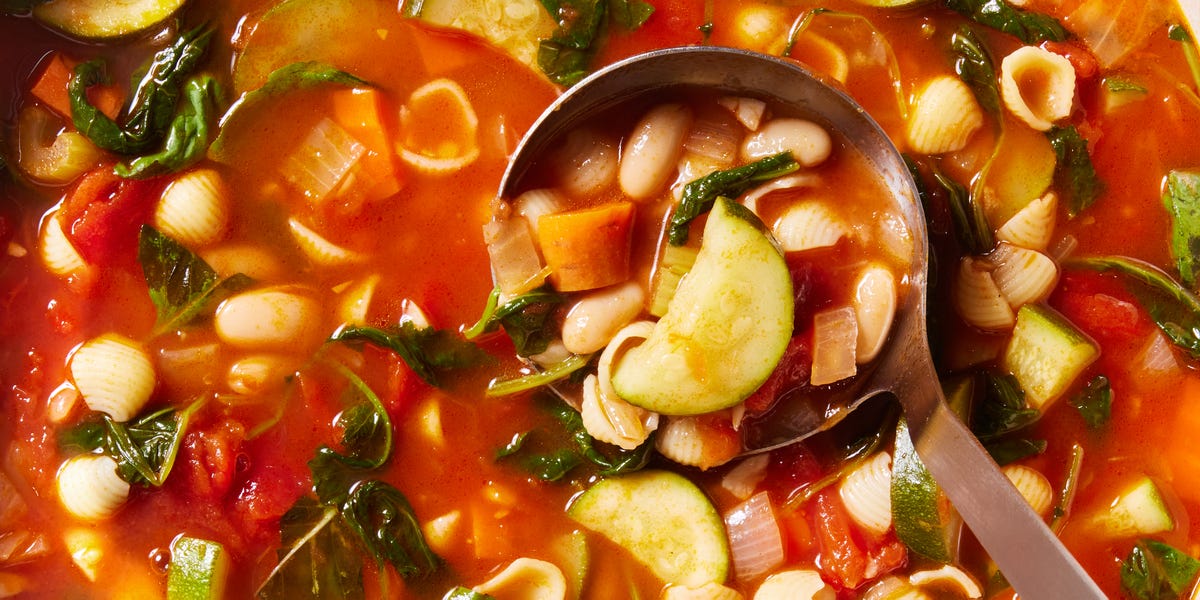
Craft Your Perfect Minestrone: Easy Customizations for Any Palate
When the weather turns crisp and the craving for something truly comforting sets in, few dishes satisfy quite like a steaming bowl of minestrone soup. This iconic Italian creation isn't just a meal; it's a warm embrace, a testament to culinary ingenuity, and, most importantly, a versatile canvas waiting for your personal touch. Far from being a rigid recipe, a truly great
minestrone soup recipe is an invitation to explore, adapt, and create a dish that perfectly suits your taste and whatever ingredients you have on hand.
Born from the tradition of "using what you have," minestrone has evolved over centuries, but its core principle remains: a hearty, wholesome soup brimming with vegetables, often pasta or rice, and a rich, flavorful broth. Whether you're a seasoned chef or a kitchen novice, minestrone offers an incredibly forgiving and rewarding cooking experience, making it an ideal choice for busy weeknights, comforting weekend meals, and delicious leftovers.
Building Your Bowl: Essential Elements and Creative Swaps
The beauty of a classic minestrone lies in its adaptability. While certain elements are traditional, the specific ingredients are yours to command. Think of each component as a building block in your personalized culinary masterpiece.
- The Vegetable Symphony: Fresh, Frozen, or Seasonal Delights
The vibrant heart of any minestrone is its medley of vegetables. Traditional recipes often feature humble yet flavorful staples like carrots, celery, and onions (the Italian *soffritto*), but the possibilities are truly endless.
- Staples: Always start with a good base of diced carrots, celery, and onion. These aromatics lay the groundwork for a rich flavor profile.
- Green Goodness: Zucchini, green beans, and spinach are popular choices that cook quickly and add a fresh pop of color and nutrition. Don't shy away from leafy greens like kale or Swiss chard, which become tender and flavorful when simmered.
- Starchy Stars: Potatoes or even butternut squash can add a wonderful creamy texture and satisfying heartiness, especially during cooler months. Yellow squash is another excellent substitute.
- Seasonal Sensations: Embrace the seasons! In spring, add asparagus tips or fresh peas. Summer calls for fresh corn kernels or diced bell peppers. Fall brings earthy mushrooms and root vegetables. The "use what you have" philosophy means those extra vegetables hanging around your fridge are destined for deliciousness.
- Frozen Convenience: Don't underestimate the power of frozen vegetables! Items like frozen green beans, carrots, or peas can be added directly from the freezer alongside your canned beans, saving prep time without sacrificing flavor or texture.
- Beans for Body and Protein: Your Choice of Creaminess
Beans are crucial for adding substance, protein, and a delightful creamy texture to your minestrone.
- Classic Choices: Kidney beans and cannellini (white kidney) beans are traditional. Their tender texture and mild flavor integrate seamlessly.
- Chickpea Chic: For a slightly different flavor and firmer texture, chickpeas are an excellent swap. They hold their shape well and offer a nutty undertone.
- Speedy Solution: Canned beans are a busy cook's best friend. They significantly cut down cooking time, making a hearty minestrone achievable even on a tight weeknight schedule. Just rinse them thoroughly before adding.
- Pasta or Grain: The Noodle Nook
Small pasta shapes are a signature element of minestrone, absorbing the flavorful broth and adding a comforting chew.
- Small & Mighty: Ditalini, elbow macaroni, or small shells are perfect. Add them during the last 10-15 minutes of cooking to ensure they're tender but not mushy.
- Leftover Longevity: To prevent pasta from overcooking and becoming too soft in leftovers, some chefs prefer to cook the pasta separately and add it to individual bowls just before serving. This ensures perfect al dente texture every time.
- Gluten-Free & Beyond: For those avoiding gluten, opt for gluten-free pasta or consider swapping in grains like farro, quinoa, or short-grain rice for a different textural experience.
- The Broth: The Flavor Foundation
The broth is the soul of your minestrone, providing the rich liquid base that ties all the ingredients together.
- Tomato Richness: A robust tomato broth, often achieved with canned crushed tomatoes, diced tomatoes, or a hearty dollop of tomato paste, is characteristic of minestrone. The paste, in particular, adds a concentrated depth of flavor.
- Vegetarian Virtue: For a purely plant-based soup, a high-quality vegetable broth is essential. It contributes savory notes without overpowering the fresh vegetables. Many classic recipes are naturally vegetarian or vegan (if you omit cheese toppings).
- Robust & Hearty: While traditionally meatless, many home cooks, including celebrity chefs, love to make minestrone extra robust with chicken broth. This adds an extra layer of savory flavor that's perfect for a fulfilling meal, especially if you're aiming for Weeknight Minestrone Magic: Healthy, Hearty, and Ready in Under an Hour. For an even deeper umami kick, consider simmering a Parmesan rind in the broth while it cooks (just remember to remove it before serving if you're not a fan of eating rind).
Adding Depth and Heartiness: Making it Your Own
Beyond the core components, minestrone invites further personalization, allowing you to tailor its heartiness and flavor profile to your desires.
- Meat Marvels: For the Carnivore's Touch
While traditional minestrone is a celebration of vegetables, there's absolutely no rule against adding meat to make it even more substantial.
- Poultry Power: Shredded cooked chicken (rotisserie chicken works wonders for speed!) is a fantastic, lean option.
- Ground Goodness: Cooked ground beef or ground turkey can be browned with the aromatics before adding the liquids, infusing the entire soup with rich flavor.
- Sausage Sizzle: Italian sausage, either mild or spicy, is another excellent addition. Remove it from its casing, brown it well, and then break it up into the soup for a flavorful, hearty boost.
For more ideas on how to incorporate various proteins, check out Minestrone Your Way: From Classic Vegetarian to Hearty Meat Options.
- The Pantry Powerhouses: Spices and Aromatics
Don't forget the supporting cast of pantry staples that elevate your minestrone from good to unforgettable. Dried herbs like oregano, basil, and thyme are essential, as are fresh garlic cloves, sautéed until fragrant. A bay leaf or two can also add a subtle background note of complexity. Finishing with a swirl of high-quality extra virgin olive oil not only adds richness but also a beautiful aroma.
- Reheating Wisdom: Preserving Perfection
Minestrone often tastes even better the next day as the flavors meld and deepen.
- Stovetop Charm: Reheating on the stovetop over low heat is ideal. It gently warms the soup through, allowing the aromas to fill your kitchen, and you can easily add a splash more broth or water if the pasta has absorbed too much liquid.
- Microwave Magic: For individual portions when you're short on time, the microwave is a perfectly acceptable alternative. Just stir occasionally to ensure even heating.
Seasonal Sensations and Finishing Touches
Minestrone’s adaptability extends to the calendar. You can enjoy a bowl from fall through spring, simply by letting seasonal produce guide your ingredient choices.
- Spring Fresh: Think tender asparagus, sweet peas, and fresh herbs like dill or chives. A squeeze of lemon juice at the end can brighten everything up.
- Summer Light: While often associated with cooler weather, a lighter minestrone can be wonderful in summer. Use fresh, ripe tomatoes, sweet corn, and vibrant bell peppers.
- Autumn Harvest: Embrace butternut squash, hearty kale, earthy mushrooms, and root vegetables like parsnips.
- Winter Comfort: Lean into robust potatoes, tough leafy greens like collards, and perhaps a touch more spice or smoked paprika for extra warmth.
No minestrone is complete without its crowning glory – the garnishes. A generous sprinkle of freshly grated Parmesan cheese adds a salty, umami kick that is undeniably comforting. For a burst of herbaceous freshness, a swirl of vibrant pesto (store-bought or homemade) is a game-changer. Fresh parsley or basil, chopped finely, also add a beautiful aroma and visual appeal. For an added crunch, consider serving with crusty bread, homemade dinner rolls, or even a few homemade croutons.
Why Minestrone is Your Go-To Comfort Food
At its heart, minestrone is more than just a
minestrone soup recipe; it's a philosophy of cooking. It’s about creating a wholesome, satisfying meal that nourishes both body and soul, without the pressure of strict adherence to rules. It’s a healthy, easy-to-make dish that caters to virtually every dietary preference and flavor craving, ready in under an hour, yet delivering a depth of flavor that suggests hours of simmering.
Whether you prefer it richly vegetarian, robust with chicken broth, packed with your favorite seasonal vegetables, or simply made from convenient pantry staples, minestrone promises comfort, flavor, and endless possibilities. So, next time you're craving a meal that feels both special and effortless, gather your ingredients, open your imagination, and craft your perfect bowl of minestrone. It’s truly a soup that celebrates individuality in every delicious spoonful.